A successful surgery depends on more than one person’s skill. The entire operating room team must work together with focus, timing, and trust. This kind of teamwork is often valued by professionals such as Dr. Barbara L Robinson because it supports safer and more organized care.
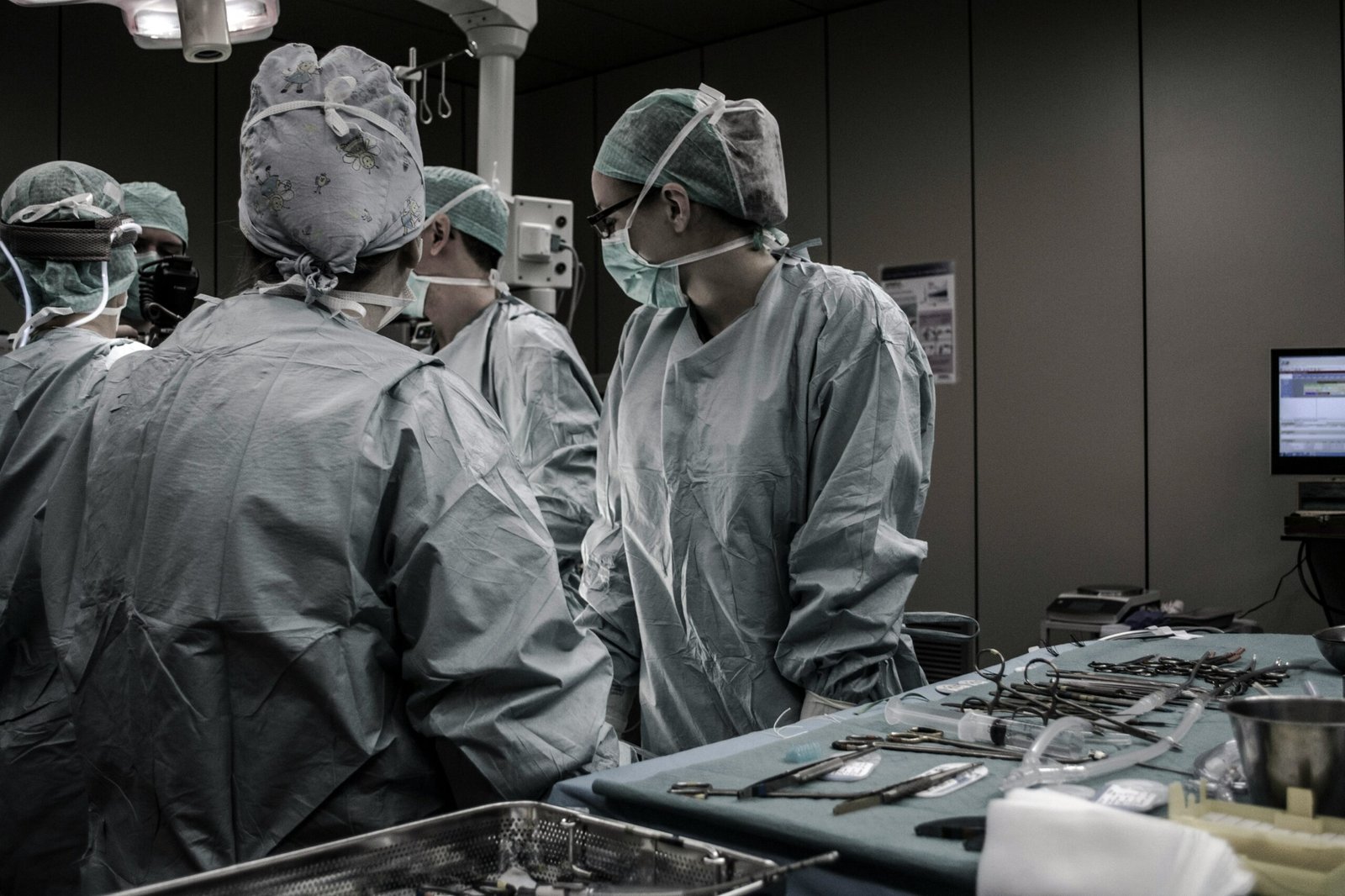
Clear Communication Keeps Everyone Aligned
Good communication is one of the things that helps a surgical team work together effectively. Everyone in the operating room needs to be able to share information, listen carefully, and speak up when something important needs attention. Even a small misunderstanding can create unnecessary delays or distractions during a procedure.
Before surgery begins, the team gathers to review key details. They confirm the patient’s identity, review the procedure, and make sure everything needed for the operation is ready. These discussions help everyone begin with the same understanding and confidence in the plan.
Communication does not stop once the procedure is underway. Team members continuously share updates, make requests, and provide important information as the situation develops. When everyone communicates clearly and works together with mutual respect, the operating room stays calm, organized, and focused on delivering the best possible care.
Each Role Supports the Bigger Goal
A successful surgery depends on many professionals working together toward the same goal. While the surgeon focuses on performing the procedure, the anesthesiology team monitors the patient’s comfort, breathing, and overall condition throughout the operation. Nurses and surgical technologists help ensure that the operating room remains organized, sterile, and fully equipped with the tools needed at every stage of the procedure.
This teamwork allows the surgeon to stay focused on the operation without being pulled away by avoidable distractions. A dependable support team can anticipate needs and respond quickly when the situation changes. That kind of coordination can help the procedure move more smoothly from start to finish.
Barbara Robinson MD, and other experienced medical professionals recognize that strong patient care depends on every role being respected. Surgery requires many people working together, not just one person making decisions alone. When the team is prepared and connected, the patient benefits from a safer and more efficient environment.
Teamwork Helps Manage Unexpected Moments
Even the most carefully planned surgery can bring unexpected challenges. A patient’s condition may change, equipment may need adjustment, or the surgical team may need to make quick decisions based on new information. In situations like these, a well-coordinated team can respond efficiently while keeping the focus on the patient’s care.
Strong teamwork helps maintain order when the unexpected happens. Team members understand their responsibilities, communicate concerns clearly, and work together to find solutions without creating unnecessary disruption. This ability to stay calm and focused helps the procedure continue safely and effectively, even when circumstances change.
Trust also plays a major role when quick decisions are needed. Every member of the team relies on the knowledge, skills, and judgment of the people around them. That confidence is developed through training, experience, and consistent collaboration over time.
Organization Supports Patient Safety
An organized operating room allows the surgical team to perform their work with fewer disruptions and greater efficiency. Instruments, equipment, and supplies need to be properly prepared and readily available throughout the procedure. When everything is in place before surgery begins, the team can remain focused on the patient rather than dealing with avoidable delays.
A lot of the responsibility for keeping things organized in the operating room falls on nurses and surgical technologists. They’re constantly preparing equipment, monitoring sterile conditions, and handling the countless details that keep a procedure moving forward. Much of that work happens in the background, but it’s an important part of making sure the surgical team can focus on the patient and the procedure at hand.
Organization also helps the team stay focused. When the room is orderly, professionals can spend less time solving preventable problems. This allows more attention to remain on the patient and the procedure.
Why Teamwork Matters After Surgery Too
A surgery isn’t really over when the last stitch is in place. Once the patient is moved to recovery, the next team takes over, and they need to know what happened in the operating room. If important details don’t get passed along, things can easily fall through the cracks.
Good communication can make a big difference once a patient leaves the operating room. Everyone involved, from the surgical team to the recovery staff, needs to know what’s going on and what to watch for. When that information is shared clearly, the transition tends to go much more smoothly.
Most patients never see all the coordination taking place behind the scenes. They simply move from one stage of care to the next. But for the medical teams involved, staying connected and keeping everyone informed is an important part of the process.
Final Thoughts
When a surgical team works together effectively, it creates an environment where patient care can be delivered with greater safety, efficiency, and confidence. This collaborative approach to patient care reflects the high standards often associated with medical professionals such as Dr. Barbara L Robinson.